
How to Prepare for a Cabinet Painting Project (Without the Stress)
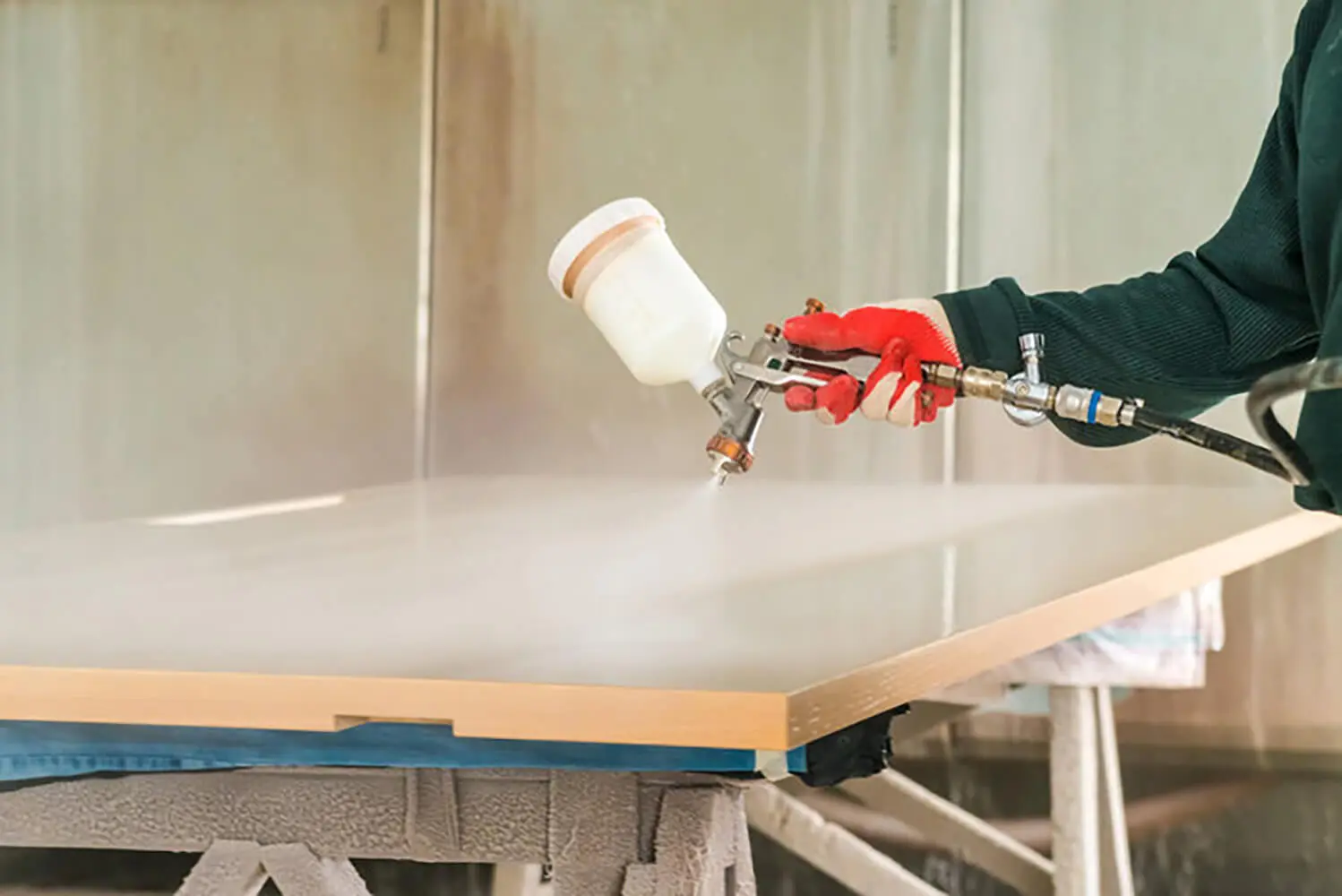
Cabinet painting can completely transform a kitchen or bathroom, but the lead-up to the project is where many homeowners start to feel stressed. Questions come up fast. What needs to be cleared out? How disruptive will it be? And how to prepare for a cabinet painting project without turning your home upside down?
That uncertainty is common, especially if you’ve never had cabinets professionally painted before. Unlike wall painting, cabinet work involves multiple components, tighter spaces, and a process that unfolds over several days. Without clear expectations, it’s easy to worry about mess, delays, or last-minute surprises once painters arrive.
The good news is that proper preparation makes a noticeable difference. When the space is ready and the plan is clear, cabinet painting tends to move faster, stay cleaner, and produce more consistent results. It also helps protect your belongings and reduces frustration during the project.
This guide walks you through a clear, homeowner-friendly approach to preparation. It covers what needs to be addressed before work begins, how to plan for temporary disruption, and how to work smoothly with professional painters. If you’re looking for a practical cabinet painting prep checklist that keeps stress low and expectations realistic, you’re in the right place.
Confirm the Scope of Your Cabinet Painting Project Before Any Prep Begins
Before you start moving items or rearranging your home, it’s important to be clear on exactly what the cabinet painting project includes. Scope decisions affect how much preparation is needed and how long the work will take.
Start by confirming which cabinets are being painted.
- Kitchen cabinets only
- Bathroom vanities
- Laundry room cabinets
- Built-ins, pantries, or other storage areas
Next, clarify which parts of the cabinets are included in the work.
- Doors and drawer fronts only
- Cabinet boxes and frames
- Interior cabinet surfaces, if applicable
- Both upper and lower cabinets
Small details matter here. Painting doors only requires different prep than painting full boxes and interiors, and that impacts access, drying time, and disruption.
You’ll also want to identify any additional changes tied to the project.
- Repairs to damaged doors or drawer fronts
- Filling old hardware holes
- New handles, knobs, or hinges
- Color changes that require extra coating steps
Confirming the scope early prevents last-minute decisions that can slow the project down. When everyone agrees on what’s included before prep begins, painters can plan properly, materials are ordered correctly, and your timeline stays predictable.
Clear Out Cabinets and Nearby Areas to Protect Belongings
One of the most important steps homeowners can take before cabinet painting begins is clearing out everything stored inside the cabinets. Paint crews need full access to doors, drawers, and boxes, and leaving items inside increases the risk of dust, debris, or accidental damage.
Remove dishes, cookware, food, and small appliances from cabinets, drawers, and pull-out organizers. Even items that seem tucked away can be affected during cleaning, sanding, or door removal. Setting aside time to fully empty the cabinets helps the project start smoothly and keeps personal belongings protected.
It’s also important to clear the surrounding areas. Countertops, islands, and nearby shelving should be free of décor, appliances, and loose items so painters can move efficiently without needing to work around obstacles. This reduces setup time each day and lowers the chance of something being bumped or damaged.
Don’t forget about adjacent spaces. Pantries, appliance garages, or cabinets near refrigerators and ovens may need partial clearing depending on the layout and scope of work. If you’re unsure what can stay, ask your painter ahead of time so expectations are clear before work begins.
Prepare the Kitchen or Room for Limited Access During Painting
Cabinet painting temporarily changes how you can use the space, especially in kitchens. Knowing this ahead of time makes the disruption easier to manage and prevents frustration once work is underway.
During active painting days, access to cabinets, countertops, and sometimes appliances will be limited. Doors and drawers may be removed, and certain areas may be off-limits while paint is drying. Even when painters aren’t actively working, freshly painted surfaces need time to set without being touched or used.
Planning ahead helps keep daily routines intact. Many homeowners set up a temporary food prep area in another room with essentials like a microwave, coffee maker, or small refrigerator. Simple meal planning or using disposable dishes can also reduce the need to access the kitchen during the project.
Appliances may stay in place, but painters may need limited access around ranges, dishwashers, or refrigerators. In some layouts, appliances are temporarily pulled forward to allow proper coverage. Asking how long these restrictions typically last gives you a clearer picture of what each day will look like and helps you plan around it comfortably.
Create Clear Work Paths for Painters to Move Safely and Efficiently
Clear, open pathways help cabinet painting move faster and reduce the risk of damage or accidents. Taking time to prepare these areas ahead of the start date makes daily setup and cleanup much more efficient.
Before painting begins, remove anything that could block movement or staging in and around the work zones.
- Move furniture, stools, and small tables away from cabinets
- Roll up rugs or runners in kitchens, hallways, and entryways
- Clear countertops and nearby surfaces used for tools or doors
- Keep entryways and hallways open and uncluttered
- Designate a staging area if discussed with your painter
- Secure pets and plan safe spaces for children during work hours
When painters can move freely between cabinets, doorways, and work areas, the project stays organized and on schedule. Clear paths also help protect floors, furniture, and personal belongings while reducing daily disruptions inside the home.
Understand the Cabinet Painting Timeline So You Know What to Expect Each Day
Cabinet painting is a multi-day process, and understanding the general timeline helps set realistic expectations from the start. Seasonal conditions can also affect scheduling and curing, which is why homeowners often consider refinishing cabinets in winter when planning dates and access.
Most projects begin with preparation. This includes protecting surrounding surfaces, removing doors and drawers, and completing detailed cleaning and sanding. These early days often involve the most activity, movement, and noise as the space is set up correctly.
Painting usually happens in stages rather than all at once. Cabinets may receive multiple coats, with drying time built in between each step. Some days are quieter than others, especially when surfaces are curing and need to be left untouched. Odors are typically strongest during active spraying or coating days and fade as the paint sets.
Reassembly happens near the end of the project once the finish has had enough time to harden. Doors, drawers, and hardware are carefully reinstalled, and final touch-ups are completed. Knowing that cabinet painting takes several days—not just one—makes it easier to plan meals, routines, and expectations without feeling caught off guard. Finish selection also plays a role in drying and cure time, which is why homeowners review best paint finish options before the project begins.
Know What You Should Handle vs. What a Professional Painter Will Handle
Knowing who is responsible for what before cabinet painting starts helps prevent confusion and avoids well-intended prep that can actually cause problems. Homeowners play an important role, but most technical tasks are best left to professionals.
Before work begins, homeowners are typically responsible for creating access and protecting personal items, while painters handle all surface preparation and application steps.
- Homeowners clear cabinets, countertops, and nearby areas
- Homeowners plan for limited room access and daily routines
- Painters clean, degrease, and sand cabinet surfaces
- Painters mask floors, walls, and appliances for protection
- Painters remove, label, and reinstall doors and drawers
- Painters apply primers, paints, and finishes using professional systems
Trying to help with sanding, cleaning, or patching ahead of time can sometimes create extra work or affect how the paint adheres. Professional painters follow specific prep processes designed for durability and consistency, which is why it’s usually best to focus on access and logistics while letting the technical work stay in expert hands. Many homeowners find it helpful to understand what to expect hiring pros before the project begins so there are no surprises once work starts.
Ask the Right Questions Before Painting Starts to Avoid Surprises
Clear communication before the project begins is one of the easiest ways to reduce stress during cabinet painting. A few straightforward questions can prevent misunderstandings and help you feel more confident about what’s happening in your home.
Start by confirming the basic logistics. Make sure you understand the start date, daily work hours, and how many days the project is expected to take. Knowing when painters will arrive and leave each day helps you plan around work, pets, and family routines.
It’s also smart to ask about ventilation and odor control. Cabinet painting often involves stronger products than wall painting, so understanding how airflow will be managed and how long odors typically linger sets realistic expectations.
Cleanup procedures matter too. Ask how the space will be left at the end of each day and what the final cleanup includes. This avoids surprises and helps you know what level of access you’ll have overnight.
Finally, clarify how communication will work during the project. Knowing who to contact with questions and how updates will be shared keeps small concerns from turning into bigger issues later on.
How Proper Preparation Leads to Faster Results and Better-Looking Cabinets
Taking the time to prepare properly before cabinet painting begins pays off in more ways than most homeowners expect. When the space is ready and expectations are clear, the entire project tends to move more smoothly from day one.
Preparation reduces delays. Clear cabinets, open pathways, and confirmed scope allow painters to start work immediately instead of stopping to adjust plans or work around obstacles. Fewer interruptions mean the timeline stays on track and daily progress feels more predictable.
It also helps protect your home. Removing personal items, planning access, and understanding restricted areas lowers the risk of accidental damage and keeps dust and overspray contained where it belongs.
From a results standpoint, preparation directly affects finish quality. When painters can focus on proper cleaning, sanding, and coating—without rushing or working around clutter—the final look is more even, durable, and consistent. Doors align correctly, finishes cure properly, and touch-ups are minimal.
Most importantly, preparation reduces stress. Knowing what to expect and what’s required ahead of time turns cabinet painting into a controlled, organized process rather than a disruptive surprise. When homeowners and professionals are aligned from the start, better results follow naturally.
If you’re planning a cabinet painting project and want the process to feel straightforward and well-managed, we’re here to help. At TNC Painting, we guide homeowners through every step, from preparation planning to final reassembly, so there are no surprises along the way. If you’d like clear expectations, professional systems, and cabinets that look great when the project is done, reach out to schedule a cabinet painting consultation with our team.