Common Interior Painting Mistakes Homeowners Make
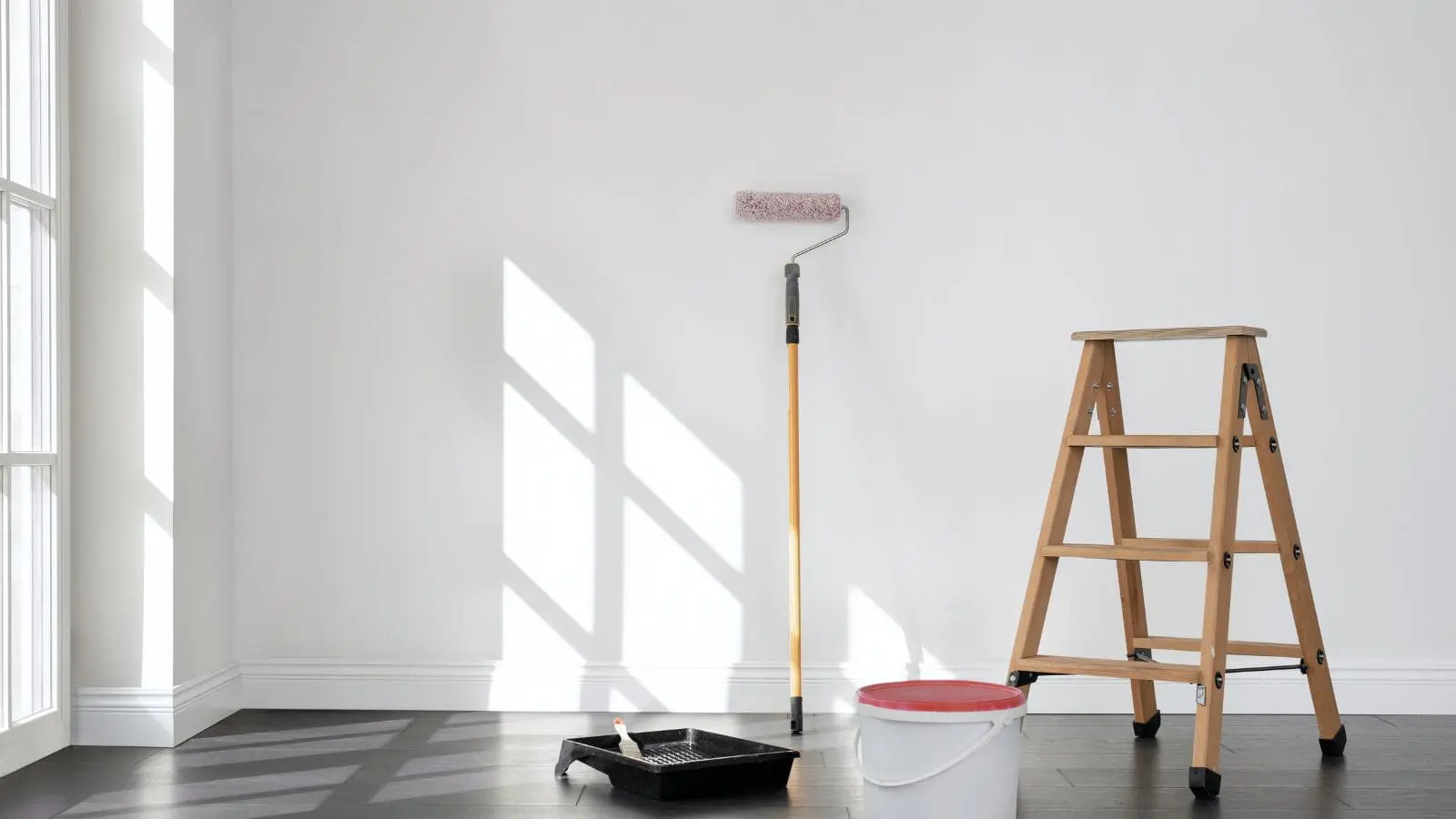
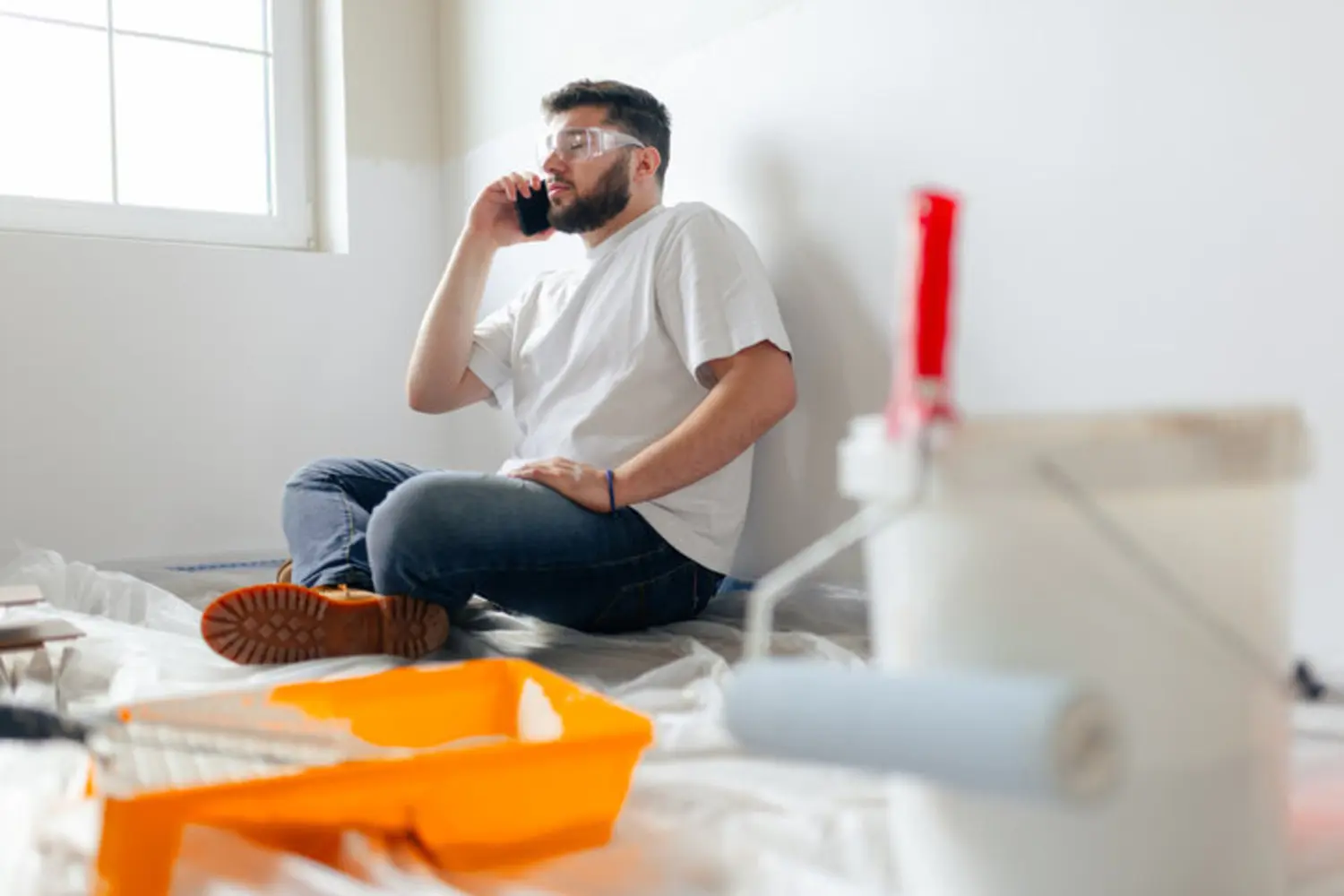
A fresh coat of paint can completely transform the way a home feels. Brighter walls can make a room feel larger, while a new color palette can give outdated spaces fresh energy. Because painting looks straightforward, many homeowners assume it’s an easy weekend project. Unfortunately, that assumption often leads to common interior painting mistakes that end up costing more time, money, and frustration in the long run.
From improper preparation to poor product choices, these mistakes don’t just affect how the final results look, they can also shorten the lifespan of the paint and create ongoing maintenance issues. That’s why professional painters bring more than just brushes and rollers; they bring experience, technique, and the right tools to avoid the problems that trip up DIY efforts.
In this blog, we’ll look at some of the most frequent interior painting missteps homeowners make, why they matter, and how working with professionals ensures a flawless finish.
Skipping Proper Surface Preparation
One of the most common types of interior painting mistakes happens before a single brush stroke. Many homeowners underestimate how critical preparation is to achieving a smooth, long-lasting finish.
Walls and surfaces need more than a quick dusting. Professionals know that prep work often takes longer than the actual painting. Without it, even the highest-quality paint won’t look right or hold up over time.
Here’s what often gets skipped when homeowners try to paint themselves:
- Cleaning surfaces – Dust, grease, and residue prevent paint from sticking properly.
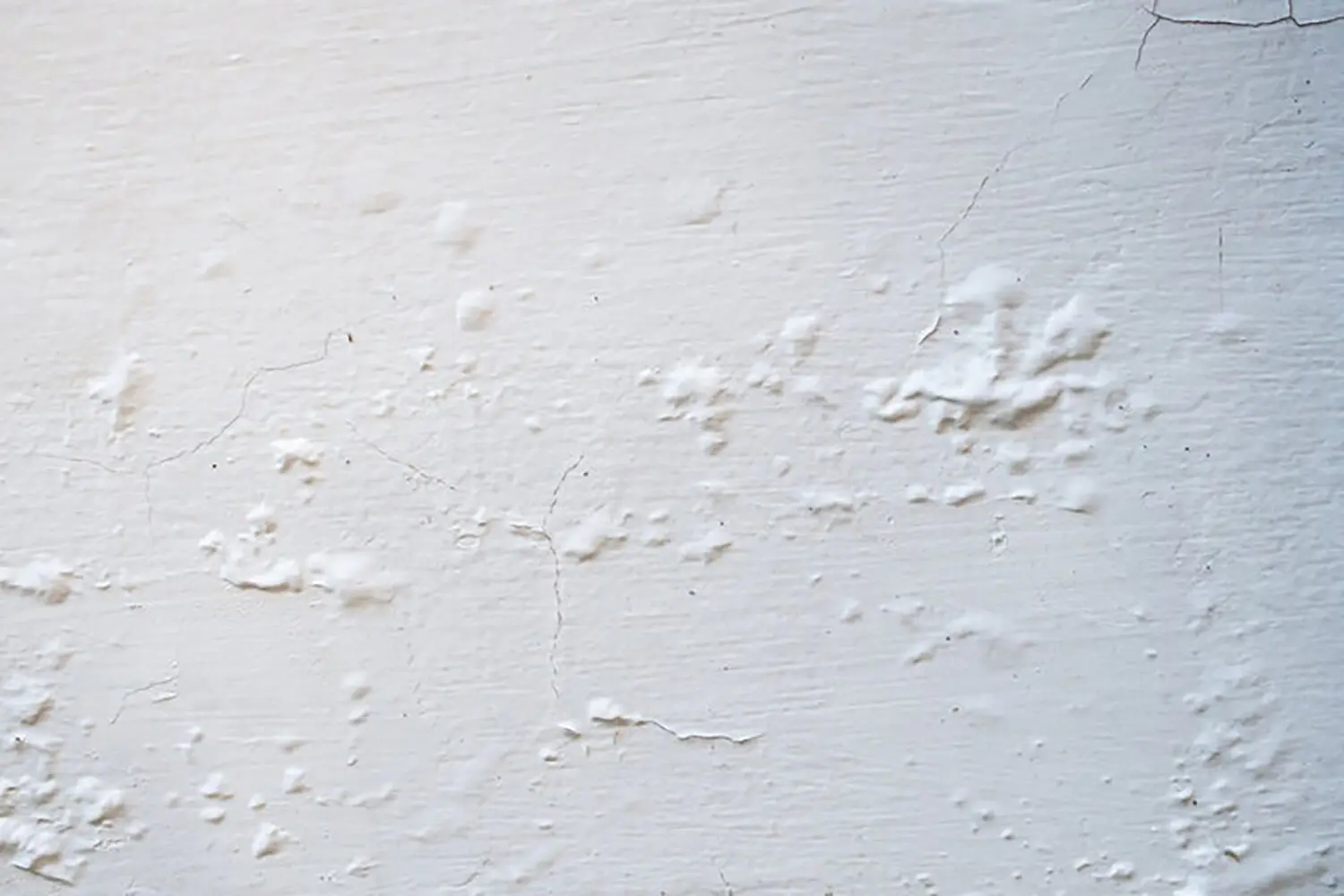
- Repairing damage – Small holes, cracks, or rough patches show through if they aren’t fixed first.
- Sanding and smoothing – Glossy or uneven surfaces need sanding for the paint to adhere evenly.
- Priming – Skipping primer leads to blotchy coverage, color bleed-through, or peeling.
The result of cutting corners? Uneven finishes, premature peeling, and paint that just doesn’t last. Professional painters, on the other hand, treat prep as a non-negotiable step. By carefully cleaning, repairing, and priming, they ensure every coat of paint applies smoothly and holds up beautifully.
Choosing the Wrong Paint Finish or Color
Another common interior painting mistake is underestimating how much the finish and color matter. Homeowners often focus only on the shade, forgetting that the finish determines durability and how the paint interacts with light.
Using the wrong type of paint in the wrong space creates long-term problems. For example, flat paint in a high-traffic hallway scuffs easily, while gloss paint in a living room can make walls look harsh.
Here are some of the most frequent missteps:
- Flat or matte in busy areas – These finishes show marks and are hard to clean.
- Dark colors in dimly lit rooms – Spaces can feel smaller and less inviting.
- Overly glossy in the wrong setting – High shine emphasizes every flaw in the wall.
- Ignoring undertones – A color that looks neutral in one light can feel too warm or cold in another.
Professional painters help homeowners avoid these traps by considering:
- The function of the room
- How much natural light it gets
- The desired mood or style
- Durability needs for the space
This expertise ensures the final result is not only beautiful but also practical. With professional guidance, the finish and color chosen will enhance the space instead of causing frustration later.
Applying Paint Incorrectly
Even with the right color and finish, results can go wrong if the paint isn’t applied properly. Technique matters just as much as product choice. This is another common interior painting mistake homeowners make when tackling projects on their own.
Without training, it’s easy to rush through the process or overlook the details. The outcome is usually a surface that looks sloppy instead of smooth and professional.
Some of the biggest errors include:
- Overloading the roller or brush – Too much paint leads to drips and uneven coverage.
- Using only one coat – Coverage looks patchy, especially with bold or light shades.
- Not maintaining a wet edge – Stopping mid-wall leaves visible lines and streaks.
- Painting too quickly – Rushed strokes cause splatter and texture inconsistencies.
Professional painters know how to avoid these issues by:
- Applying thin, even coats
- Allowing proper drying time between layers
- Using quality brushes and rollers suited for each surface
- Keeping a steady, consistent technique
These details may seem small, but they make the difference between a wall that looks amateurish and one that feels polished and complete.
Ignoring Climate and Timing
Paint isn’t just about color and finish — the conditions in which it’s applied play a huge role in how well it performs. One of the most common mistakes homeowners make during an interior painting project is overlooking how humidity, temperature, and timing affect the outcome.
Rushing into a project without considering the climate often leads to poor adhesion and a finish that doesn’t last.
Here are a few of the most frequent climate- and timing-related issues:
- Painting in high humidity – Causes paint to dry too slowly, leading to streaks or bubbling.
- Skipping dry time between coats – Traps moisture, which later results in peeling or cracking.
- Working in extreme temperatures – Too cold or too hot can change how paint sets, weakening the final result.
- Ignoring seasonal conditions – Michigan’s humid summers and cold winters present unique challenges that DIYers rarely account for.
Professional painters understand how the climate impacts paint. They choose products designed for the environment, schedule jobs during optimal conditions, and allow the proper amount of time for each step. This ensures the paint doesn’t just look good when it’s fresh but continues to perform well for years.
Why Hiring Pros Saves Time and Frustration
Interior painting might seem like a simple project, but as we’ve seen, the most common type of interior painting mistakes happen when important details get overlooked. Skipping prep, choosing the wrong finish, rushing the application, or ignoring climate conditions all add up to wasted time, extra costs, and results that don’t hold up.
Professional painters prevent these problems by handling every step with care. They bring experience, high-quality tools, and a knowledge of products that match each home’s unique needs. Instead of dealing with peeling walls, streaky finishes, or colors that don’t fit the space, homeowners can enjoy a smooth, lasting result that enhances their home for years to come.
If your walls are showing signs of wear or you’re ready for a fresh update, this is the perfect moment to let a professional team take the stress off your shoulders. With expert guidance, your vision for a renewed, polished space can become reality — without the headaches of trial and error.