How Long Does It Take for Interior Paint to Dry in the Summer
If you’re painting a room this summer, you’ve probably noticed the drying time on the paint can doesn’t quite match what’s happening on your wall. Summer heat and humidity change how interior paint dries, and in a place like Grand Rapids, that difference can be bigger than most homeowners expect. Most people assume summer heat speeds everything up, but indoor humidity often works against that assumption, which means the “safe” waiting period printed on your paint can may not apply to your project. Here’s what actually affects your drying time this time of year, what makes a West Michigan summer different, and how to avoid rushing a job that hasn’t fully set.
How Long Interior Paint Takes to Dry in Summer at a Glance
Under standard lab conditions, most interior latex paint follows a predictable timeline:
- Dry to touch: about 1 hour
- Safe to recoat: about 4 hours
- Fully cured: 2 to 4 weeks
Those numbers assume a controlled environment, typically around 77°F with 50% relative humidity. In a humid summer room, that same paint can realistically take 6 to 8 hours or longer before it’s ready for a second coat, and it can stay soft and vulnerable well past the 24-hour mark if humidity climbs above 85%.
It helps to think of drying in three separate stages instead of one number:
- Dry to touch means the surface no longer feels wet, but the paint underneath is still setting.
- Recoat-ready means enough of the first coat has set that a second coat will bond properly.
- Fully cured means the paint has reached its final hardness and durability, which takes weeks, not hours.
Homeowners often treat the can’s numbers as a guarantee rather than a starting point. That’s exactly how furniture ends up back in a room too soon or a second coat gets applied before the first one was ready, which the sections below will help you avoid.
Why Summer Indoors Doesn’t Match the Paint Can’s Drying Times
Manufacturer drying times are tested under specific lab conditions. Summer humidity in a home without consistent air conditioning rarely matches that baseline. Summer doesn’t just mean warmer air. It means more moisture in that air, and moisture is the variable that actually controls how fast paint dries indoors.
The Humidity Effect Most Homeowners Get Backward
It seems logical that summer heat would speed up drying, but humidity slows it down, and in most rooms the humidity effect wins out. Paint dries as water in the wet film evaporates into the surrounding air. When that air is already carrying a lot of moisture, it has less capacity to absorb more from your walls. Heat alone would speed evaporation, but in a genuinely humid room, the added moisture in the air outweighs the boost from higher temperature. That’s why paint can look dry on the surface while it’s still soft and easily damaged underneath, simply because full evaporation didn’t happen on the schedule the can promised.
When Warm, Moist Air Meets a Cool Surface
There’s a second summer risk most homeowners never think about: dew point. When warm, humid air comes into contact with a cooler surface, moisture can condense right on that surface. This happens more often than you’d expect during a summer painting project, such as when a basement stays cool while the air upstairs is warm and humid, or when a room’s air conditioning cycles on and off while paint is drying. Condensation on a wall that hasn’t cured yet can cause clouding, poor adhesion, or a finish that never fully bonds the way it should. It’s a risk that has nothing to do with how carefully the paint was applied, which is exactly why it catches people off guard.
What Grand Rapids Summers Mean for Your Painting Timeline
Grand Rapids summers run humid. July averages around 78% relative humidity, largely due to the area’s proximity to Lake Michigan, which puts the humidity effects above squarely in the range where you’ll notice them. This isn’t a theoretical concern for local homeowners. It’s a routine part of painting here in July and August.
Older homes, rooms with limited airflow, and homes without central air conditioning will feel this more strongly. If your home fits any of those descriptions, expect your drying and recoat windows to run on the longer end of what’s outlined above. A generic drying chart built for average national conditions simply doesn’t account for what a West Michigan summer does to a closed-up room.
How Paint Type Changes What You Should Expect in Summer
Most interior projects use latex or acrylic paint, and it behaves differently than oil-based paint once summer humidity gets involved. Latex dries through water evaporation, which is exactly the process humidity slows down. Oil-based paint cures through a chemical reaction called oxidation, which responds to heat and humidity differently than a water-based product does.
Switching to oil-based paint isn’t the fix it might seem like. Oil-based products already dry more slowly under normal conditions, carry a much stronger odor during application, and take longer to fully cure regardless of the season. The quality of the paint itself also plays a role in how it performs under these conditions, which is covered in more detail in why quality paint and materials matter for lasting results. Understanding how your specific paint reacts to summer conditions helps you set expectations based on what’s actually happening on your walls, rather than assuming every paint handles humidity the same way.
Using Your AC, Fans, and a Dehumidifier the Right Way
The goal during a summer paint job is to get the room as close as possible to that 50% relative humidity baseline the manufacturer numbers assume. Three tools help you get there, but only when they’re used correctly.
- Air conditioning lowers both temperature and humidity at the same time, which makes it the single most effective tool for a summer paint job. Running the AC consistently during and after painting keeps the room in a range closer to ideal drying conditions.
- Fans should move air across the room rather than blowing directly onto wet walls. Pointing a fan straight at fresh paint can dry the surface unevenly while the paint underneath is still wet, which can affect the final finish.
- A dehumidifier is worth adding in naturally humid spaces like basements, where air conditioning alone may not bring humidity down far enough.
Used together, these tools are what prevent the tackiness, soft spots, and marring that come from a rushed or poorly managed summer dry time.
When You Can Move Furniture Back and Use the Room Again
Dry to touch doesn’t mean the paint film has hardened enough to handle weight, pressure, or friction. A staged approach protects your finish:
- Light furniture is generally safe to bring back after about 24 hours, as long as it isn’t pushed directly against painted walls.
- Heavier furniture and wall-hung items should wait several days to two weeks, giving the film time to build real hardness.
- Full use of the room, including scrubbing walls or heavy daily contact, should wait until the paint has fully cured.
Summer humidity pushes every one of these windows later than a standard timeline suggests. A homeowner following generic advice printed on a paint can may end up moving furniture back before the walls are actually ready for it. If you want to understand how a professional handles this stage of a project, including how the space itself is protected during the process, see how professional painters protect your furniture and floors. Rushing this step is one of the most common ways a quality paint job gets damaged right after the crew leaves, through no fault of the work itself.
Why Cabinets Need Extra Time to Fully Harden
Cabinets follow a different timeline than walls, especially when refinished with a waterborne enamel. Because cabinet doors and drawers are handled constantly, the finish needs to reach a much harder, more resistant state before regular use begins, and summer humidity extends that window the same way it extends wall drying.
Feeling dry to the touch is not the same as reaching block resistance, which is the point where two painted surfaces won’t stick together under pressure. Rehanging cabinet doors or reattaching hardware before that point is reached is a common cause of sticking, marring, or an uneven finish. If you’re weighing whether this stage is worth handling yourself, hiring a professional for cabinet refinishing is worth a look, since getting the timing right on cabinets takes more precision than most DIY schedules allow for.
What Happens When You Rush a Summer Paint Job
Moving too fast during a humid summer dry time tends to show up in a few predictable ways:
- Marring or imprinting from furniture set back too soon
- A tacky surface that attracts dust and debris
- Uneven sheen from paint drying inconsistently under a fan
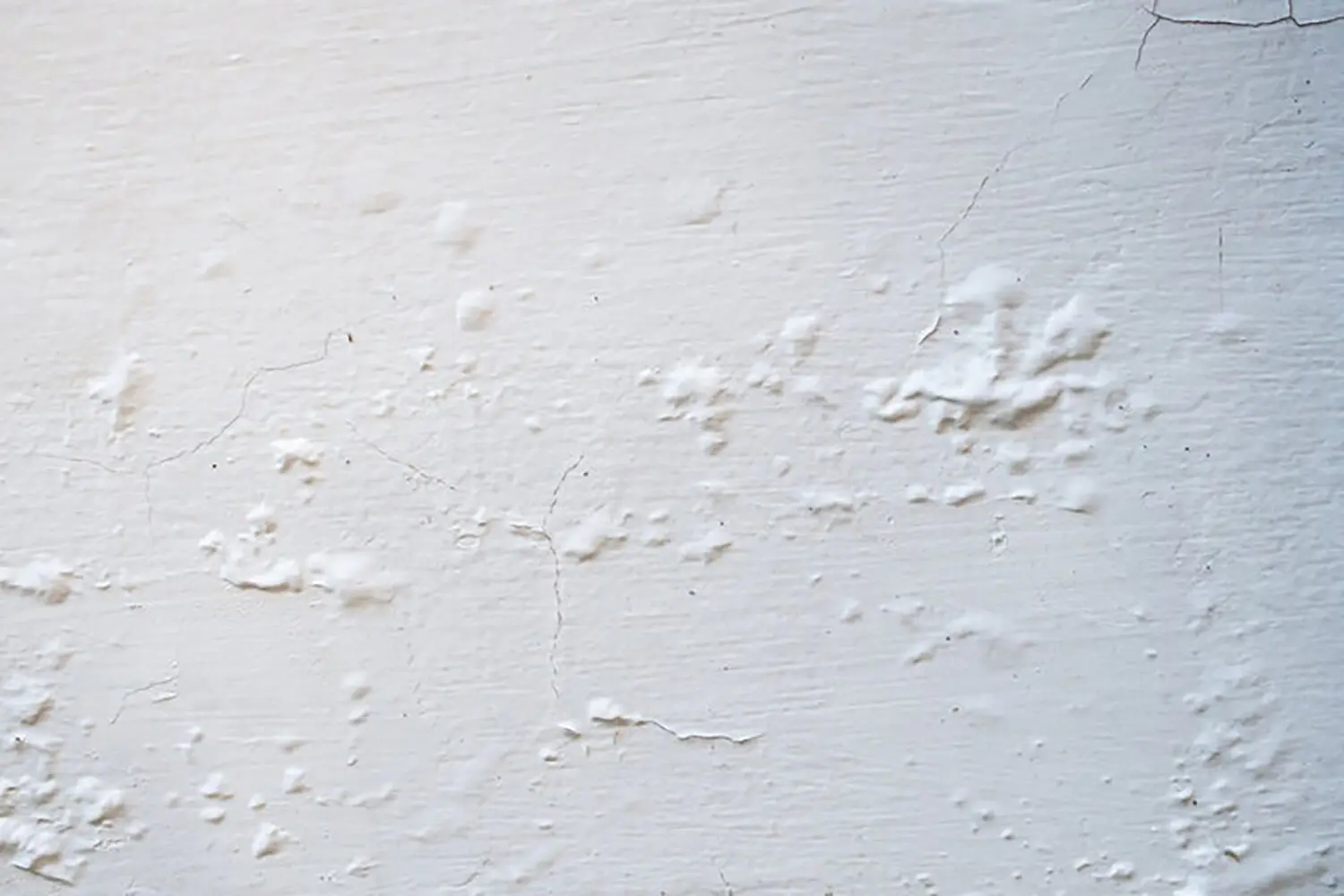
- In more serious cases, a compromised bond between coats that leads to peeling later
Paint that hasn’t fully cured is still chemically settling and hardening, so any pressure or moisture during that window can affect the finish permanently. Some of these problems can be touched up. Others, like adhesion failure or clouding caused by condensation, may mean repainting the affected area entirely. If you’re noticing any of these signs on existing paintwork, these signs your paint is failing walks through what to look for and what usually causes it.
Getting a Paint Job That Holds Up to a West Michigan Summer
Drying time in a Grand Rapids summer depends far more on humidity than on heat, and the numbers printed on a paint can are a starting point, not a guarantee for your specific room. Getting this wrong doesn’t just mean waiting a little longer. It means real risk to the finish and longevity of a job you’re paying good money for, and it changes how long your results will last, which we cover in how long your paint will actually last.
We handle summer humidity as a standard part of every interior painting project, not an afterthought, with prep work and application timing that account for exactly what West Michigan summers do to drying paint. If you’re ready to get a timeline you can actually count on, request an interior painting estimate and let us build the schedule around your home’s real conditions instead of a generic chart.