Why Quality Paint and Materials Matter for Long-Lasting Results
A fresh paint job is supposed to last. Yet many homeowners are surprised when walls start to scuff easily, colors fade faster than expected, or peeling shows up only a few years later. When that happens, it often leads to one big question: what went wrong?
In many cases, the issue is not the color choice or even the age of the home. It comes down to why quality paint and materials matter in the first place. Paint is not just about appearance. It is a protective system that needs to bond, flex, and hold up under daily use. When lower-grade products or shortcuts are used, the finish may look fine at first but break down much sooner.
This blog explains what actually determines whether a paint job stands the test of time. You will learn how paint quality affects durability, why some coatings fail early in real homes, and how professional-grade materials change both performance and finish. It will also explain why prep products and application tools play a bigger role than most people realize.
By the end, you will have a clearer understanding of how product choices impact longevity and what to look for if you want results that still look good years down the line.
Why Paint Quality Affects How Long a Paint Job Lasts
Paint quality plays a major role in how well a painted surface performs over time. While many products may look similar in the can, their formulations can vary widely, and those differences show up after the paint has been on the wall for a while.
Higher-quality paint is designed to bond more effectively to the surface it is applied to. Better binders and resins help the coating grip the wall, trim, or ceiling instead of sitting loosely on top. That stronger bond reduces the chances of peeling, bubbling, or flaking as the surface expands and contracts with temperature and humidity changes.
Premium paints also hold up better to everyday wear. They are more resistant to fading from light exposure, scuffing from contact, and moisture from cleaning or humidity. This matters in real homes where walls get touched, cleaned, and exposed to varying conditions over the years.
Longevity is not just about how a paint job looks on day one. It is about how well it performs month after month. Paint durability and product quality determine whether the finish stays intact or slowly breaks down. When better products are used from the start, the coating maintains its color, sheen, and protection for a much longer period, reducing the need for early repainting.
What Causes Paint to Fail Early in Real Homes
When paint starts breaking down sooner than expected, it is usually the result of a few common issues that show up again and again in real living spaces. These problems are often tied to product quality and how well the paint can handle daily conditions.
Common signs of early paint failure include:
- Peeling or flaking where the paint loses adhesion to the surface
- Cracking or splitting as the coating becomes brittle over time
- Uneven wear in high-touch areas like door frames, corners, and hallways
- Dull or faded color well before the paint’s expected lifespan
Common interior painting mistakes often make coatings wear out faster under daily use. Lower-quality binders, fillers, and pigments do not hold together as well, especially when exposed to cleaning, sunlight, or humidity. Over time, the coating thins, weakens, and loses its protective qualities.
Early paint failure almost always leads to repainting sooner than planned. What should have lasted many years may need attention after only a few. Understanding the importance of using high-end paint helps explain why some finishes age gracefully while others show wear long before they should.
How Professional-Grade Materials Change Durability and Finish
Professional-grade materials are built for performance, not just appearance. These products are formulated to deliver consistent results across large surfaces and to hold up under real-world conditions that homeowners deal with every day.
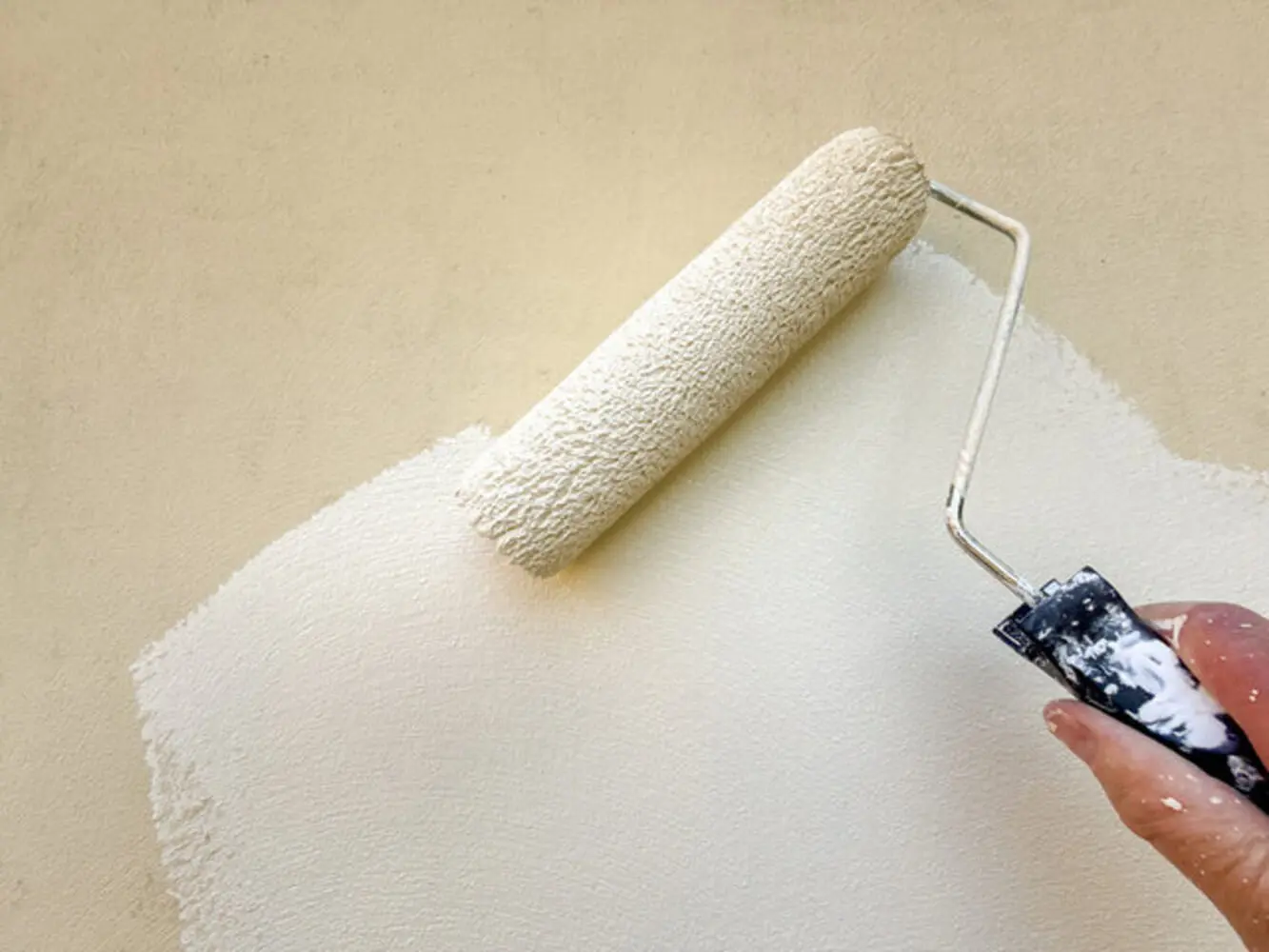
One of the biggest differences is coverage and consistency. Professional paints tend to level out more smoothly, reducing visible brush marks, roller lines, and patchiness. This creates a cleaner, more uniform finish that looks intentional rather than rushed.
Durability also improves when higher-grade materials are used. These coatings are designed to:
• Withstand frequent contact in high-traffic areas
• Resist scuffs and marks from daily use
• Hold their sheen and color longer without dulling
Over time, these benefits add up. Walls stay cleaner looking, finishes remain intact, and surfaces are easier to maintain. The importance of using high-end paint becomes clear when comparing how long a professional finish holds up versus one applied with basic materials.
Quality materials do more than improve how a space looks right after painting. They help ensure the finish continues to perform well year after year, protecting the surface underneath while maintaining a polished, well-kept appearance.
Why Prep Products and Application Materials Matter as Much as Paint
Even the best paint cannot perform well without the right preparation and application materials. Prep products and tools are what allow paint to bond properly and cure into a durable, long-lasting finish.
Use products designed for moisture control like in how humidity affects interior paint so sealants help prevent long-term breakdown. They help block stains, seal porous surfaces, and close gaps that can allow moisture or air movement behind the paint film. Without them, paint is more likely to peel, crack, or wear unevenly.
Surface prep products help create the right foundation by:
- Improving adhesion so paint grips the surface instead of sitting on top
- Evening out texture and porosity for consistent coverage
- Preventing old stains or discoloration from bleeding through
Application tools matter just as much. Professional brushes, rollers, and sprayers distribute paint evenly and at the correct thickness. Poor-quality tools can leave streaks, uneven buildup, or thin spots that weaken the finish over time.
When prep and application materials are chosen carefully, the paint system works as intended. The result is a smoother finish, stronger adhesion, and a coating that holds up far longer under everyday use.
How Professionals Choose the Right System for Each Surface
Different surfaces place different demands on paint, which is why professionals rarely use a one-size-fits-all approach. Choosing the right system means matching the paint and supporting materials to how and where the surface will be used.
Experienced painters evaluate several factors before selecting products. Moisture levels, foot traffic, and the type of material being painted all influence which coatings will perform best. Drywall, wood, trim, masonry, and previously painted surfaces each require different solutions to avoid future issues.
Professionals account for conditions such as:
- Humidity and moisture exposure in bathrooms, kitchens, or laundry rooms
- Wear from frequent contact in hallways, doors, and stairwells
- Surface movement caused by temperature changes or natural settling
They also consider how the existing surface was prepared and what coatings were used before. Incompatible products can lead to adhesion problems or uneven curing if the wrong materials are applied on top.
Material selection is part of preventing problems before they start. By building a complete system rather than focusing on paint alone, professionals help ensure the finish bonds properly, resists wear, and continues to perform as intended over time.
Where Material Quality Makes the Biggest Difference Indoors
Some areas inside a home place far more stress on painted surfaces than others. In these spaces, material quality is often the difference between a finish that holds up and one that starts showing wear far too soon.
Kitchens and hallways experience constant use. Walls are exposed to hands, bags, furniture, and frequent cleaning. Tougher, washable finishes are essential here to prevent scuffing and premature wear while still maintaining an even appearance.
Bathrooms create a different challenge. Moisture and humidity can break down standard coatings over time, leading to peeling or discoloration. Moisture-resistant products are designed to handle these conditions by allowing the surface to breathe while still protecting it from repeated exposure.
Cabinets and trim require the most specialized approach. These surfaces are touched daily and often made from materials that expand and contract. Durable coatings designed specifically for cabinetry and woodwork provide:
- Stronger adhesion to slick or previously finished surfaces
- Harder finishes that resist chipping and scratching
- Smoother results that maintain their look with repeated use
In high-demand areas, the benefits of pro material selection become clear. The right products help surfaces stay cleaner, stronger, and more visually consistent over time.
Why Investing in Quality Reduces Long-Term Repainting Costs
Using higher-quality materials from the beginning often lowers overall painting costs over time. While premium products can come with a higher upfront price, they reduce the chances of early failure that lead to repainting sooner than expected.
Better materials are built to last longer under everyday conditions. Paints with stronger binders and more stable pigments maintain adhesion, color, and sheen for years instead of gradually breaking down. As a result, walls and trim stay protected rather than developing peeling, fading, or worn spots that require attention.
Fewer repaints also reduce the indirect costs homeowners often overlook. Each repaint involves labor, surface prep, and disruption to daily routines. When finishes last longer, those repeat cycles are pushed further into the future, saving time and minimizing inconvenience.
Professional product selection plays a key role in protecting a homeowner’s investment. By choosing materials designed for the specific surface and environment, painters help ensure the coating performs as intended instead of failing prematurely.
Over the long run, quality materials turn painting into a lasting improvement rather than a recurring expense, keeping homes looking well cared for with fewer surprises along the way.
If you want a paint job that holds up year after year, the materials and process matter just as much as the color. At TNC Painting, we use professional-grade products and proven prep systems to deliver interior and exterior results built to last. We take the time to choose the right materials for each surface so your home stays protected and looks its best. Contact TNC Painting to talk through your project and get results done right from the start.