How Humid Weather Affects Interior Paint in Grand Rapids Homes
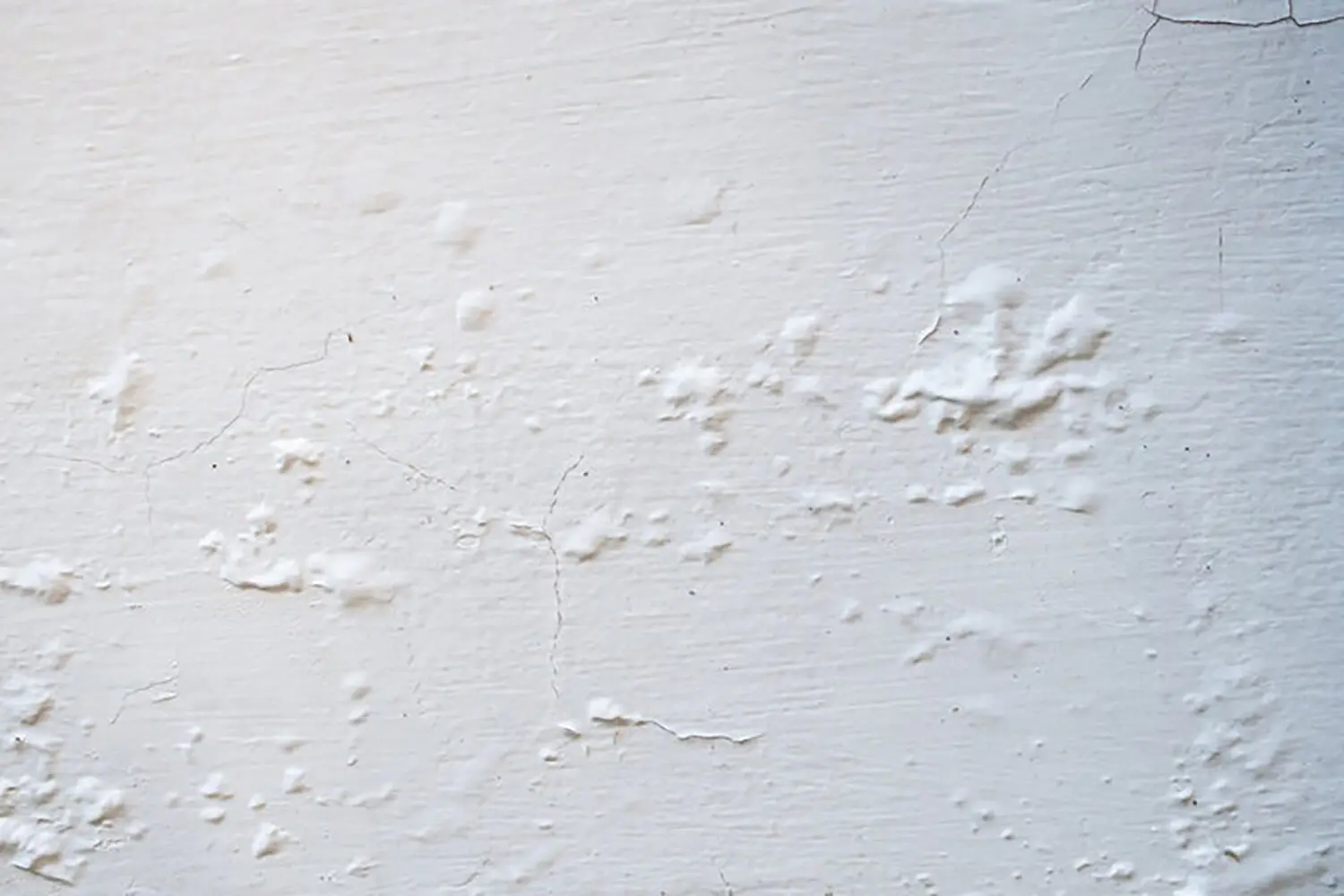
Homes throughout the Grand Rapids area experience noticeable shifts in humidity throughout the year. Late spring, summer, and even early fall can bring extended periods of warm, moisture-heavy air that affects how homes feel indoors.
While most homeowners associate humidity with comfort levels, it can also influence home maintenance projects. One area where this becomes especially relevant is interior painting. The amount of moisture present in the air can affect how paint behaves after it is applied to walls, ceilings, and trim.
Understanding how humid weather affects interior paint is important for anyone planning to repaint their home. Humidity can influence drying time, how well paint bonds to surfaces, and the overall appearance of the finished result. When conditions are too humid, paint may not dry or cure the way it normally would.
For homeowners in West Michigan, these conditions are fairly common. Seasonal weather patterns, indoor moisture, and certain areas of the home can all contribute to higher humidity levels during painting projects.
Taking the time to understand how humidity interacts with paint can help homeowners avoid frustrating results and make better decisions about when and how to complete interior painting work.
Why Humidity Is an Important Factor for Interior Painting in Grand Rapids
Grand Rapids experiences a climate that naturally brings periods of elevated humidity, particularly during late spring, summer, and early fall. Warm air combined with moisture from the Great Lakes region can create conditions where the air holds more water vapor than usual.
When outdoor humidity rises, it often affects the air inside homes as well. Even with air conditioning running, moisture can still build up indoors depending on ventilation, insulation, and how tightly a home is sealed.
Many homeowners notice this during humid weather when rooms feel slightly damp or heavy. Windows may show condensation, basement areas may feel musty, and surfaces can take longer to dry after cleaning. These are all signs that indoor humidity levels are elevated.
Several common situations can increase indoor humidity levels in Grand Rapids homes:
- Warm summer air entering the home when doors or windows are opened
- Air conditioning systems cycling moisture through indoor spaces
- Basements retaining moisture due to their below-ground structure
- Everyday activities like cooking, showering, or doing laundry
Because paint reacts to moisture in the air, these conditions can influence how well interior painting projects turn out. Elevated humidity can slow drying and change how paint settles onto surfaces.
For homeowners planning interior painting in moist climates like West Michigan, understanding the local environment is an important first step. Climate conditions in Grand Rapids make humidity a factor that should always be considered before beginning an interior paint project.
How Humidity Affects Paint Drying, Curing, and Adhesion
When paint is applied to a wall or ceiling, it does not simply “dry” in the way many people imagine. Instead, the liquid components in the paint gradually evaporate, allowing the remaining materials to form a solid, durable coating.
Humidity directly influences this process.
When the air already contains a large amount of moisture, evaporation happens more slowly. Because paint relies on evaporation to dry properly, high humidity can extend the time it takes for the paint to set and begin curing.
This means surfaces may remain wet or tacky longer than expected.
Longer drying times can affect multiple parts of a painting project, including:
- The amount of time required between coats
- How evenly the paint levels out on the wall
- The overall timeline of the project
Curing is another important part of the process. While paint may feel dry to the touch within hours, the curing process continues as the coating hardens and bonds to the surface underneath.
Excess moisture in the air can slow this stage as well.
When curing is delayed, paint may remain soft for longer periods. In some cases, this can affect how well the paint adheres to drywall, wood trim, or previously painted surfaces.
The connection between humidity and indoor paint performance becomes especially noticeable during extended humid weather. If indoor conditions are not ideal, the paint may take longer to stabilize and reach its final durability.
These changes in drying and curing behavior can also contribute to the broader effects of humidity on paint finish, which may appear once the paint has fully dried.
Paint Finish Problems That Can Occur in Humid Conditions
When humidity levels are high, the way paint dries can directly influence the final appearance of the painted surface. Even if the paint is applied correctly, excess moisture in the air can interfere with how the coating settles and hardens as it dries. Many of the paint problems in humid weather that homeowners notice later often begin during this stage of the drying process.
One common issue is uneven sheen. Paint is designed to dry at a consistent rate across the surface, but humid air can slow that process in certain areas. As a result, parts of the wall may appear slightly dull while other sections reflect light differently, creating an inconsistent finish.
Humidity can also contribute to streaking or visible brush and roller marks. When paint stays wet longer than expected, it can shift slightly before it fully sets. This movement can leave subtle lines or texture variations that remain visible once the surface dries.
In some cases, trapped moisture may interfere with the bond between the paint and the surface underneath. When this happens, the coating may not adhere evenly across the wall. Over time, this can lead to minor bubbling, soft spots, or areas where the finish does not appear as smooth as intended.
These types of issues highlight the connection between humidity and indoor paint performance. While the paint itself may be high quality, the surrounding environment plays a major role in how the final finish looks once the project is complete.
Areas of the Home Where Humidity Often Affects Interior Painting
Humidity is not evenly distributed throughout a home. Some areas naturally collect more moisture than others, which can make interior painting more sensitive to environmental conditions in those spaces.
Bathrooms are one of the most common examples. Daily showers and baths release steam into the air, raising humidity levels quickly. Even when exhaust fans are used, moisture can linger long enough to influence how paint dries on walls and ceilings.
Kitchens can also experience frequent increases in indoor humidity. Cooking with boiling water, simmering foods, or using appliances like dishwashers can release steam into the surrounding air. Over time, this repeated exposure to moisture can affect surfaces that are being repainted.
Basements present another unique challenge for many homes in Michigan. Because they are partially or fully below ground level, basements often retain moisture more easily than other parts of the house. Limited ventilation and cooler temperatures can allow humidity to build up, which can affect painting conditions.
Laundry rooms may also experience elevated humidity levels, especially when dryers release warm air into the room or when washing machines add moisture to the environment.
These areas illustrate why interior painting in moist climates requires careful attention to indoor conditions. Rooms that regularly experience higher humidity levels may require additional preparation or better ventilation to ensure the paint dries and cures properly.
How Professional Painters Manage Humidity During Interior Painting
Professional painters understand that indoor conditions play a major role in how paint performs. Temperature, ventilation, and humidity all affect drying and curing, which is why contractors evaluate these factors before beginning work. These same environmental considerations also apply when deciding whether you can paint interior in winter, when indoor climate control becomes especially important.
This often starts with checking temperature and indoor humidity levels. If moisture levels are too high, painters may recommend waiting for better conditions or taking steps to improve airflow and moisture control before applying paint.
Several practical strategies are commonly used to manage humidity during interior painting:
- Monitoring indoor conditions. Painters may check humidity levels to confirm the environment is within a suitable range for paint to dry properly.
- Improving ventilation. Opening windows, using exhaust fans, or creating controlled airflow can help remove excess moisture from the air.
- Using climate control systems. Air conditioning or dehumidifiers can help reduce indoor humidity during particularly damp weather.
- Adjusting project timing. In some cases, painters schedule certain rooms or phases of the project when humidity levels are lower.
- Allowing proper drying time between coats. When conditions are humid, painters may extend drying times to ensure each layer of paint cures correctly.
These adjustments help minimize the risks associated with humidity and indoor paint performance. By controlling environmental conditions as much as possible, professional painters can help ensure the paint cures evenly and forms a durable, smooth finish.
Understanding How Humid Weather Affects Interior Paint in Grand Rapids Homes
Humidity is a common part of life in West Michigan, especially during the warmer months. In the Grand Rapids area, this added moisture can affect how paint behaves during an interior painting project.
Understanding how humid weather affects interior paint helps explain why drying times sometimes change and why finishes may look different than expected. When the air holds more moisture, paint can take longer to dry and cure, which may affect adhesion and overall appearance.
Indoor humidity can also fluctuate throughout the year. Seasonal weather, basement moisture, and everyday activities like cooking or showering can all increase moisture levels inside a home.
By recognizing how these conditions influence paint, homeowners can better plan interior painting projects and reduce the chances of uneven results. Paying attention to humidity levels can help ensure paint dries properly and produces a smooth, lasting finish.
If you are planning an interior painting project in your Grand Rapids home, working with experienced professionals can help ensure the best possible results. At TNC Painting, we understand how humidity and indoor conditions can affect paint performance, and we take the time to prepare each space properly before painting begins.
Our team focuses on proper preparation, careful application, and creating the right conditions so your paint dries and cures the way it should. If you are ready to refresh your home’s interior, contact us today to learn more about our professional interior painting services and how we can help bring your vision to life.