5 Interior Painting Mistakes That Cost Homeowners Money
Interior painting can feel like a straightforward upgrade, but small decisions made early often lead to big expenses later. Many homeowners search for interior painting mistakes that cost homeowners money because they’ve either experienced the frustration firsthand or want to avoid paying twice for the same project. Paint that peels too soon, uneven finishes, or walls that still look “off” after the job is done usually trace back to avoidable missteps like common interior painting mistakes that experts see again and again.
A major concern is wasted money. Buying paint again, repairing damaged surfaces, or hiring someone to fix problems adds up quickly. What starts as a budget-friendly project can quietly turn into a costly one when shortcuts don’t hold up. At the same time, homeowners are often unsure which steps truly matter and which ones are optional. Advice online can be conflicting, and it’s not always obvious which painting shortcuts lead to long-term problems.
This article is designed to help homeowners recognize common costly painting errors before they start. By understanding where projects typically go wrong, you can make better decisions, protect your home, and avoid unnecessary repairs or repainting. Knowing what to watch out for upfront is one of the easiest ways to keep an interior painting project on budget and stress-free.
1. Skipping Proper Surface Preparation
One of the most common interior painting mistakes that cost homeowners money is rushing straight to paint without preparing the surfaces properly. Paint may look fine on day one, but problems often show up much sooner than expected.
Surface preparation includes several steps that homeowners sometimes overlook:
- Cleaning walls to remove dust, grease, and residue
- Light sanding to dull glossy or uneven areas
- Patching holes, cracks, and minor wall damage
- Applying primer where needed for proper adhesion
When paint is applied over dirty, glossy, or damaged surfaces, it struggles to bond correctly. Even high-quality paint can fail if the surface underneath isn’t ready to accept it.
Poor preparation often leads to:
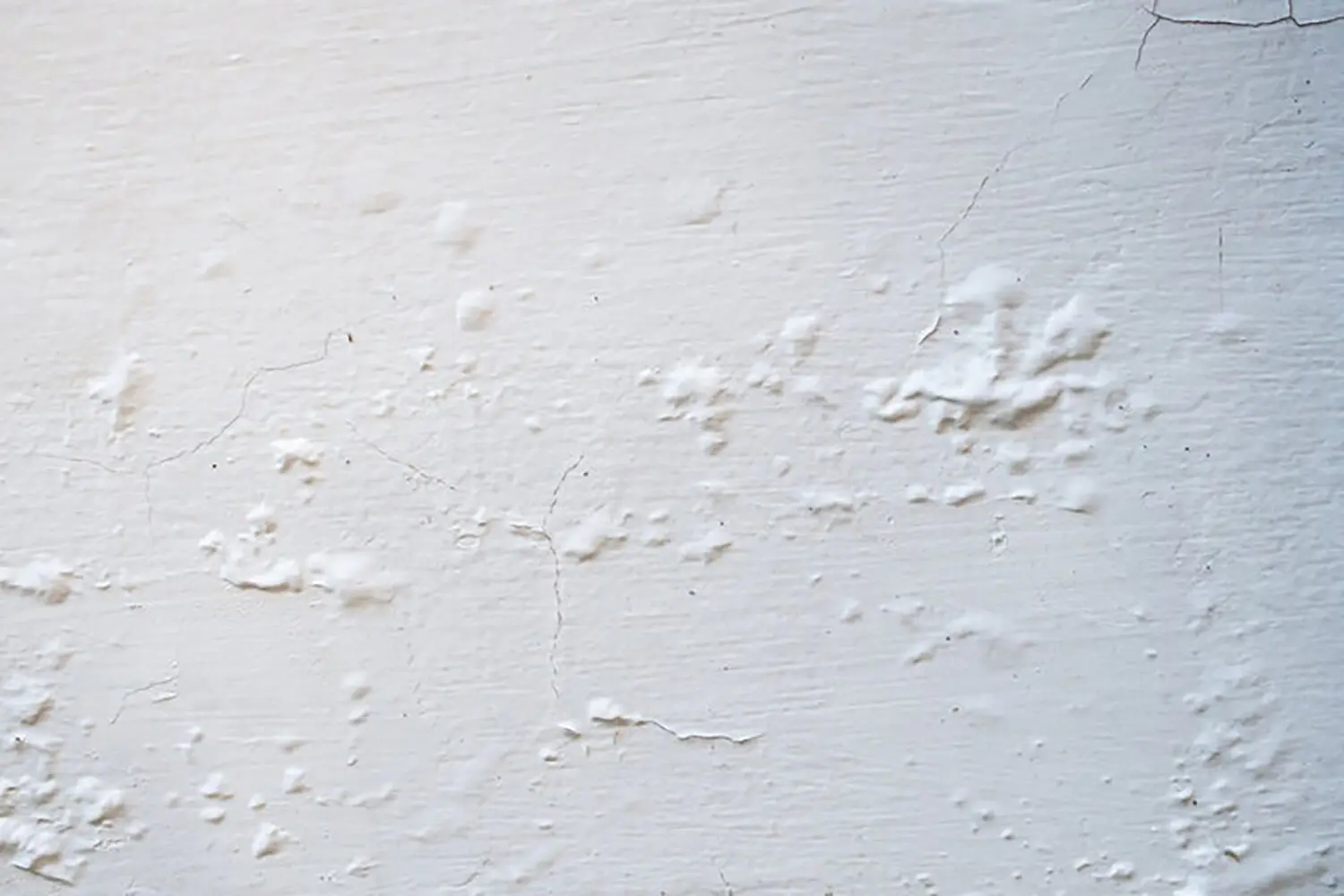
- Peeling or flaking paint within months
- Chipping around corners, trim, or patched areas
- Uneven texture that shows through the finished coat
- Early repainting that doubles labor and material costs
These issues aren’t cosmetic annoyances. They usually require sanding, scraping, priming, and repainting to fix, which means paying for the same space twice.
Professional painters treat preparation as the foundation of the entire project. They evaluate wall conditions, address repairs before painting begins, and use the right primers to create a stable surface. This extra time upfront helps prevent premature paint failure and protects homeowners from costly rework later.
2. Choosing the Wrong Paint Type or Finish
Selecting paint seems simple, but choosing the wrong type or finish is one of the more common painting problems to avoid. Many homeowners focus on color first and don’t realize how much performance varies between paint products.
A few frequent mistakes include:
- Using flat paint in high-traffic or moisture-prone areas
- Applying glossy finishes on walls with visible imperfections
- Choosing interior paint that isn’t designed for kitchens or bathrooms
- Assuming all paints perform the same regardless of brand or formulation
Flat, satin, semi-gloss, and specialty paints each behave differently once they’re on the wall. Flat finishes hide imperfections well but scuff easily. Higher-sheen paints clean better but can highlight flaws. Specialty paints are formulated to resist moisture, stains, or frequent cleaning, which matters in specific rooms.
When the wrong paint or finish is used, homeowners often deal with:
- Scuff marks that won’t clean off
- Stains that bleed through over time
- Uneven sheen that looks patchy in different lighting
- More frequent touch-ups or full repaints
These issues increase maintenance costs and shorten the life of the paint job.
Professional painters prevent these costly painting errors by matching products to how each space is used, and exploring interior paint ideas can help you choose colors that work well with both function and aesthetics. They consider foot traffic, moisture levels, lighting, and wall condition before recommending a paint system. That planning helps the finish look better longer and reduces the need for early repainting or repairs.
3. Ignoring Necessary Wall and Ceiling Repairs
Another interior painting mistake that cost homeowners money is painting over problems instead of fixing them. Fresh paint can temporarily hide flaws, but underlying issues almost always resurface.
Homeowners commonly paint over:
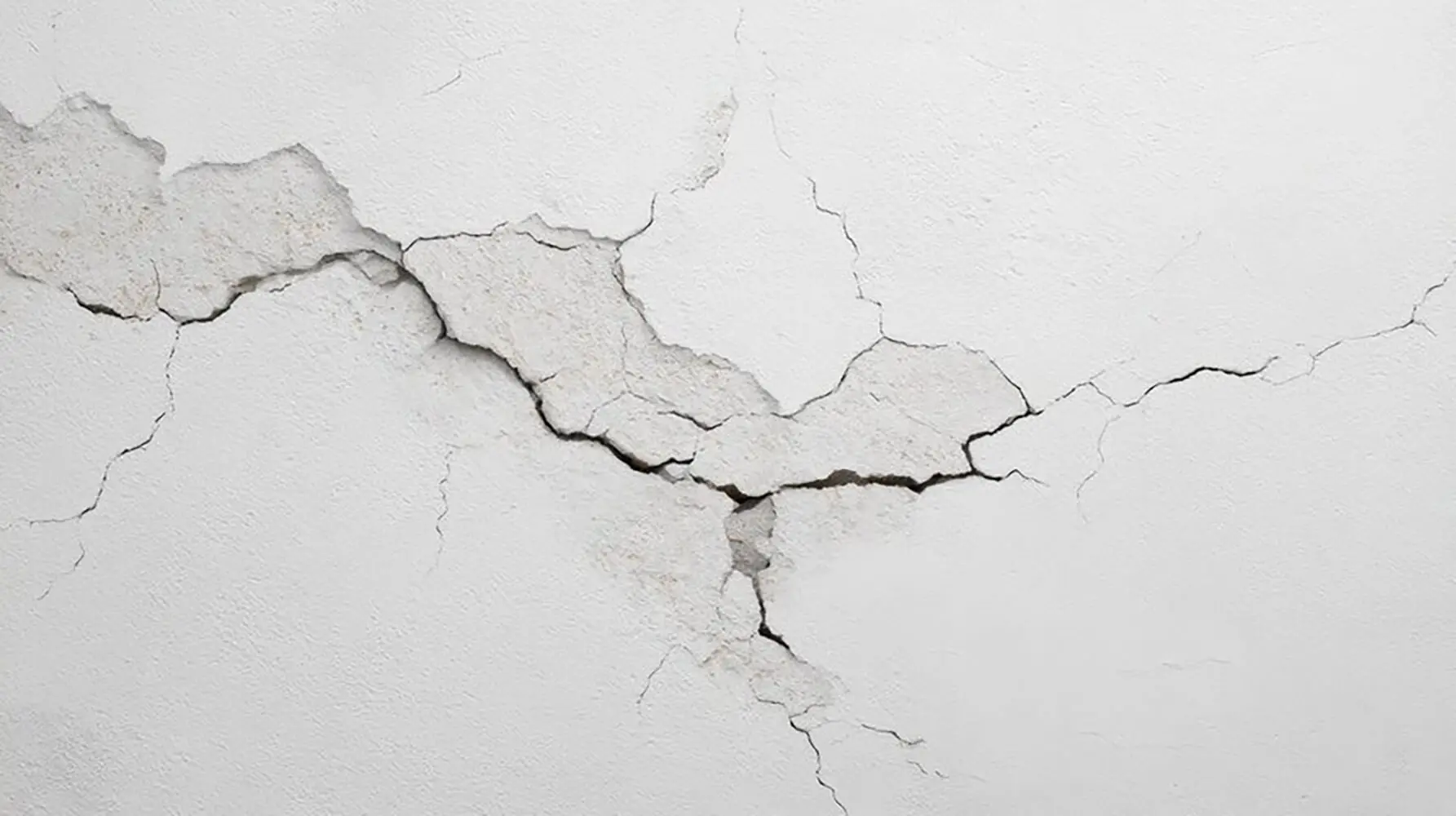
- Hairline cracks and settling lines
- Nail pops and poorly patched holes
- Water stains on ceilings or walls
- Minor drywall damage or uneven seams
These problems don’t disappear once paint is applied. Cracks often reappear as the house shifts. Nail pops can push through the surface again. Water stains may bleed through even multiple coats of paint.
Ignoring repairs creates several risks:
- Uneven finishes that draw attention to damaged areas
- Recurring stains that require special primers or repainting
- Missed moisture issues that can lead to mold or structural damage
- Higher repair costs when problems worsen over time
Moisture-related issues are especially expensive if they’re ignored. Painting over water stains without addressing the source can turn a small leak into a major repair later.
Professional painters look beyond surface appearance. They inspect walls and ceilings for damage, identify warning signs, and recommend repairs before painting begins. Addressing these issues upfront helps ensure a smooth finish and prevents recurring paint problems that lead to unnecessary expenses down the road.
4. Rushing the Painting Process
Rushing is one of the most expensive shortcuts homeowners make during an interior painting project. Tight schedules and impatience often lead to problems that aren’t obvious until the paint dries.
Common issues caused by rushing include:
- Applying a second coat before the first has dried properly
- Skipping recommended curing times between steps
- Painting in poor conditions, such as high humidity
- Moving furniture back too soon and damaging fresh paint
When paint doesn’t have time to dry and cure correctly, it can’t level or bond as intended. This often results in streaks, roller marks, lap lines, or uneven color that shows up under normal lighting.
Rushed application also leads to:
- Paint pulling or peeling during the next coat
- Soft finishes that scuff or mark easily
- Extra coats needed to correct uneven coverage
- Wasted paint and labor fixing avoidable mistakes
Each correction adds time and cost, especially if areas need sanding and repainting.
Professional painters avoid these costly painting errors by following controlled timelines. They account for drying conditions, product requirements, and room use when scheduling each step. Allowing proper drying and curing time helps ensure the finish looks consistent and holds up, reducing the likelihood of rework or early repainting.
5. Underestimating the True Cost of DIY Painting
DIY painting often looks cheaper on paper, but many homeowners underestimate how quickly small costs add up. What starts as a money-saving plan can turn into one of the interior painting mistakes that cost homeowners money the most.
Hidden DIY costs often include:
- Purchasing brushes, rollers, drop cloths, trays, ladders, and prep tools
- Buying extra paint due to over-application or miscalculations
- Paying for patching materials, primers, or specialty products
- Losing time that could have been spent elsewhere
DIY mistakes tend to compound. Uneven coverage, missed prep, or incorrect paint choices often require additional coats or complete do-overs. Fixing these issues usually means buying more materials and spending more time correcting problems that could have been avoided.
Common scenarios where costs escalate include:
- Hiring professionals to fix peeling or uneven DIY paint jobs
- Repainting rooms sooner than expected due to poor durability
- Repairing wall damage caused by improper prep or rushed work
When homeowners compare long-term costs, reading about the true cost of interior painting can reveal why professional work often proves more economical. Professionals bring the right tools, materials, and experience to get it right the first time. Avoiding rework, repairs, and repeat painting helps protect both the home and the budget over time.
How Avoiding These Painting Mistakes Protects Your Home and Budget
Avoiding interior painting mistakes that cost homeowners money often comes down to understanding where projects usually break down. Skipped preparation, poor product choices, ignored repairs, rushed timelines, and underestimated DIY costs all share one thing in common: they lead to rework. Repainting a room, fixing damaged surfaces, or correcting uneven finishes almost always costs more than doing the job correctly from the start.
Most of these expenses don’t come from paint itself. They come from labor, lost time, and addressing problems that were preventable with better planning and experience. When paint fails early or finishes look inconsistent, homeowners are forced to spend again just to get the result they originally wanted. That cycle is frustrating, disruptive, and expensive.
The good news is that these costly painting errors are not inevitable. Careful preparation, realistic timelines, proper materials, and a clear understanding of wall conditions dramatically reduce the risk of premature paint failure. Knowing how professionals prevent painting issues helps homeowners make smarter decisions before the first drop of paint goes on the wall.
If you’re planning an interior painting project or questioning whether your current approach will hold up long-term, it’s worth pausing before you commit time and money. Getting expert input early can help you avoid unnecessary expenses and protect the investment you’re making in your home. TNC Painting is available to answer questions, review your plans, and provide professional guidance so your project starts—and finishes—on solid ground.