How Long Does Interior Paint Last on Grand Rapids Homes?
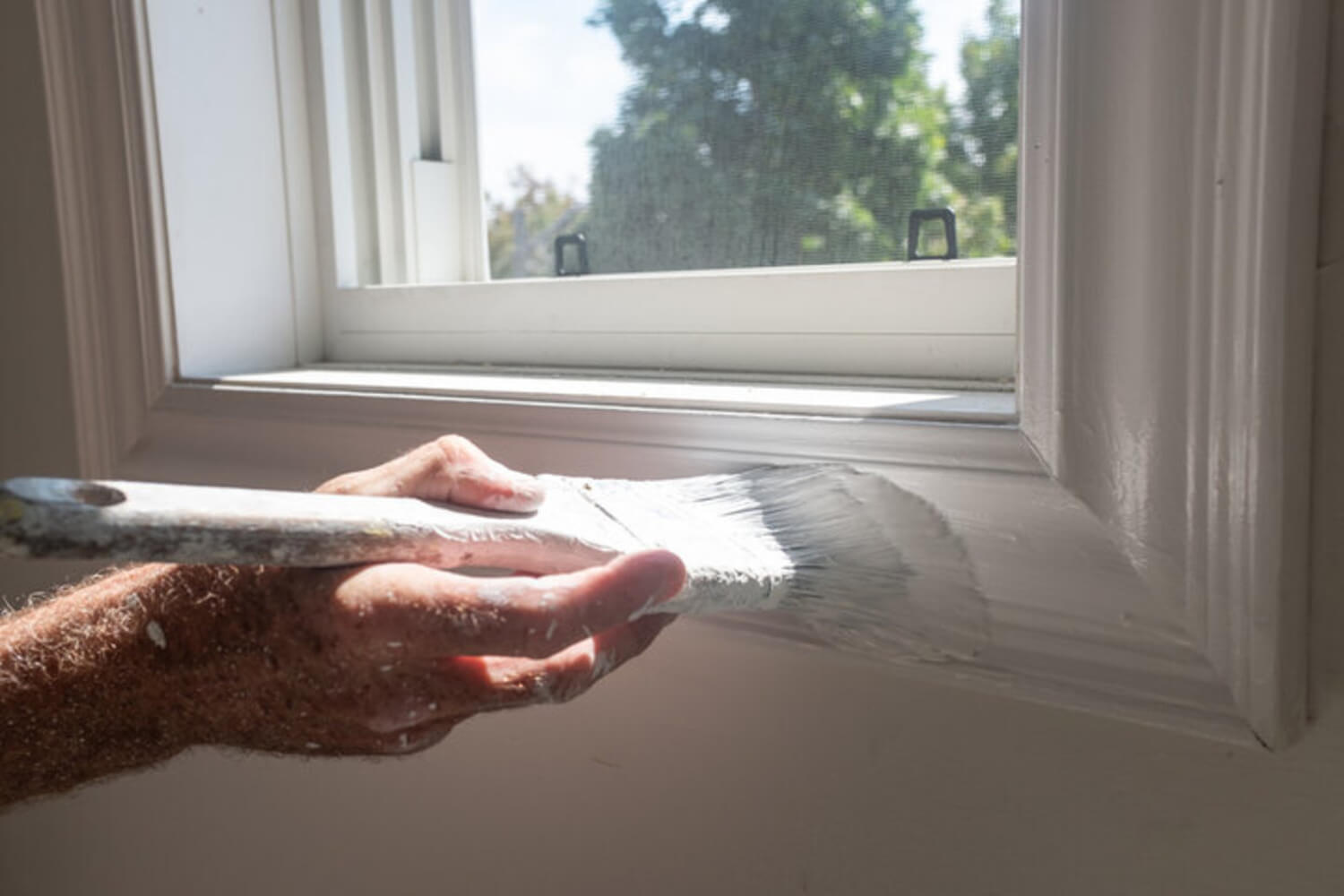
How long does interior paint last on Grand Rapids homes? Maybe you’re staring at a scuffed wall and wondering if it’s time to repaint. Or you’re planning a new paint job and want to know how long it should hold up. Most answers give one national number. But a West Michigan home lives through dry heated winters, humid summers, and constant seasonal swings. Those swings change how paint ages. This guide covers a realistic lifespan, the local causes that wear paint out, where damage shows up first, and what helps paint last longer.
The Short Answer: How Long Does Interior Paint Last in Michigan
Professionally applied interior paint typically lasts about 5 to 10 years. That range holds in Grand Rapids when prep and product quality are solid. Three things decide where your home lands inside it:
- Paint quality and the care taken during prep
- How each room gets used day to day
- Your home’s age and how its walls move through the seasons
One number won’t fit every room. A hallway, a bedroom, and a mudroom in the same house can age at very different speeds. A busy entryway may need attention years before a guest bedroom does. Treat the range as a starting point for budgeting and planning. This general guide to interior paint lifespan covers the basics if you want the wider picture.
Why West Michigan Seasons Are Hard on Interior Paint
Walls and paint never sit still. They respond to changing air and moisture all year. In West Michigan, indoor air swings from cold and dry in winter to warm and humid in summer. Wear builds from many small seasonal cycles, not one big event. Over the years, those cycles add up.
Many homeowners assume indoor paint is safe from weather because it sits inside the house. Indoor conditions still change a lot from season to season. Summer moisture has its own effects, and the post on how humid weather affects interior paint covers them in detail. The two sections below focus on the cold months.
What Dry Heated Air Does to a Paint Film
A long Michigan winter means the furnace runs for months. Heating pulls moisture out of indoor air. Paint is a flexible film that has to move slightly with the wall. Repeated swings between dry and damp air make older or thinly applied paint less flexible. Over time, that can lead to:
- Fine cracking across the paint film
- A dull, tired-looking sheen
- Edges that lift at weak spots
Fine cracking doesn’t always mean the paint is simply old. A long, dry heating season can contribute too. Knowing that helps you tell seasonal wear from a true paint failure. It also points you toward the right fix.
How Seasonal Wall Movement Opens Cracks
Wood framing and drywall expand and contract as moisture levels change through the year. That movement often opens seam cracks, nail pops, and hairline cracks along corners. Paint over a rigid joint can’t stretch with the wall. So the film splits when the wall moves.
Many homeowners blame the painter when a crack appears. Often the wall simply moved, and nobody prepped the joint to flex. That’s why the same crack can return every winter. A properly prepped, flexible joint lasts far longer than a rigid one.
How Older Grand Rapids Homes Change the Timeline
Estimates suggest more than a third of Grand Rapids homes were built before 1940. Many of those homes carry decades of character, including plaster walls, aging drywall, and several layers of old paint. Each one affects how new paint bonds:
- Old glossy or oil-based layers resist adhesion unless painters sand and prime them
- Aging plaster and settled framing tend to crack more than newer construction
- Layers of old paint can hide movement until a fresh coat exposes it
Older homes aren’t doomed to early repainting. The right prep brings their timeline closer to a newer house. Budget for repairs and prep, not just paint. That investment pays off in years of wear.
Where Interior Paint Fails First in Your House
Wear doesn’t spread evenly across a room. It tends to start in a handful of predictable places. Check these areas first:
- Exterior-facing walls, where temperature differences are greatest
- Window corners, where drafts and condensation collect
- Ceiling-wall joints, where framing moves
- Stairwells, where walls take bumps and scuffs
- Entryways and mudrooms, where winter boots and wet coats rub the walls
Some spots fail because people touch them. Others fail because they sit closest to the cold. Walk through your home and look at these areas today. If they look rough, the rest of the room often follows soon. This guide to the signs your interior paint is failing shows what to look for, from peeling to bubbling.
Why Prep and Professional Application Matter More in This Climate
Prep decides how long a finish lasts more than the paint itself. Many people see prep as a quick step before the real painting begins. In a climate with big seasonal swings, it’s the step that matters most. Strong prep for West Michigan walls includes:
- Patching cracks and nail pops
- Using flexible caulk at joints that move
- Priming repairs so patches don’t show through
- Applying even, consistent coats
Flexible caulk matters because it moves with the joint. Rigid filler tends to crack again at the next cold snap. A well-prepped surface lets the paint bond and flex with the wall. Skipped prep leaves weak points that split open at the first season change. A paint job with thorough prep is the one most likely to reach the long end of the range.
How Paint Grade Changes the Lifespan
Not all paint lasts the same. Contractors generally see a pattern like this:
- Builder-grade paint often lasts only a few years
- Mid-tier paint lasts longer
- Premium paint typically lasts the longest
Higher grades use stronger binders and better pigments. That improves adhesion and flexibility. Flexibility matters even more where walls move with the seasons. Many homeowners assume the cheapest paint saves money. But repainting twice in the time a premium product lasts once costs more. The article on why quality paint and materials matter breaks down the difference in more detail.
Habits That Help Interior Paint Last Longer
Small habits add real years to a finish at almost no cost.
- Dust walls regularly with a soft, dry cloth
- Clean marks gently with mild soap and warm water
- Fix leaks as soon as you spot them
- Touch up small marks early, before dirt collects
- Keep a labeled can of each color for touch-ups
Harsh scrubbing wears down the sheen and the film. Fast fixes keep small problems from spreading. In a heated home, avoid letting winter air get extremely dry. Steadier indoor conditions reduce stress on both walls and paint.
When to Spot-Fix and When to Repaint the Whole Wall
Use a simple rule. Touch up small chips and nail holes. Repaint the full wall, corner to corner, if either of these is true:
- A large share of the wall needs patching
- The sheen no longer matches after cleaning
Touch-ups on old paint rarely match in color and sheen. A patchwork of repairs becomes more visible over time. Many homeowners assume a full repaint always costs far more than patching. But a patchy result often ends in repainting anyway. Painting the whole wall avoids that detour.
A Paint Job Built to Outlast West Michigan Seasons
Interior paint in Grand Rapids typically lasts about 5 to 10 years. Thorough prep, the right paint grade, and attention to seasonal stress decide where your home lands in that range. Get those right, and your walls look good through many winters. Skip them, and cracks show up at the first season change.
Not sure whether your walls are due? Request an interior painting estimate and let a professional take a close look. We check surface condition, signs of seasonal movement, and how each room gets used. Then we tell you plainly whether a repaint makes sense now or can wait. It’s a low-pressure way to get a clear answer. Ready to start? Contact TNC Painting today to schedule your visit.